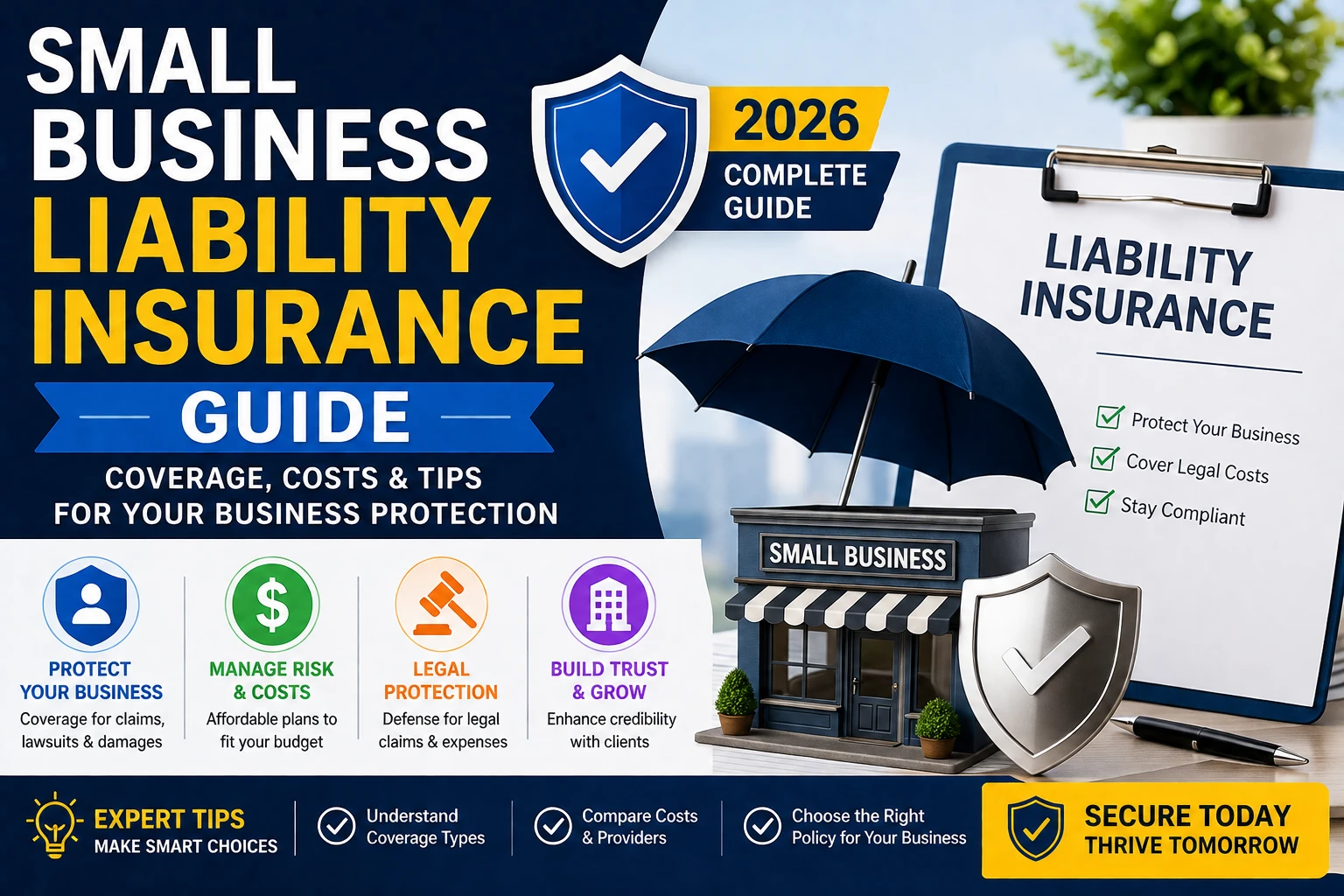
Small Business Liability Insurance Guide Made Simple
Starting a company is an exciting journey, but it comes with unexpected risks. Protecting your hard work requires a clear understanding of how to manage potential financial threats. This essential resource serves as a starting point for owners who want to secure their future with confidence.
Risk mitigation acts as a cornerstone for long-term success in the United States. By simplifying complex terminology, we help you make informed choices about your commercial protection. You deserve to feel empowered while navigating the often-confusing landscape of coverage policies.
Our goal is to provide a friendly path toward safety. We break down the jargon so you can focus on what matters most: growing your thriving enterprise. Let us explore how to shield your assets effectively.
Insurance Guide: Compare top rates and find hidden discounts designed to cut costs for teen and student drivers.
Find Cheap Young Driver InsuranceKey Takeaways
- Risk management is vital for long-term stability.
- Understanding policy terms prevents costly mistakes.
- Proper coverage protects your personal and professional assets.
- Simplifying complex concepts leads to better decision-making.
- Proactive planning creates a stronger foundation for growth.
Understanding the Basics of This Small Business Liability Insurance Guide
Every entrepreneur faces the reality of unexpected legal claims threatening their success. Navigating business insurance coverage is crucial for any owner. This small business liability insurance guide offers the clarity needed to safeguard your future.

Defining Liability Insurance for Small Businesses
Liability insurance for small businesses is a contract that shields you from financial loss due to legal claims. It covers the costs of defense and settlements when a third party alleges harm. It’s vital liability insurance information for every owner to grasp early.
Policies typically cover bodily injury, property damage, and personal injury claims. This insurance shifts the financial burden to the insurer, preventing a single lawsuit from halting your company’s growth. Knowing these definitions helps you select the right protection for your operations.
Why Every Business Needs a Safety Net
Running a company in a litigious environment poses risks you can’t always control. A safety net is not just a luxury; it’s a necessity for maintaining continuity. Without proper coverage, a single accident could lead to bankruptcy or the loss of personal assets.
The table below shows how different coverage types act as a shield for your business:
| Insurance Type | Primary Protection | Best For |
|---|---|---|
| General Liability | Third-party bodily injury | All business types |
| Professional Liability | Negligence and errors | Service-based firms |
| Product Liability | Defective goods | Retailers and makers |
| Cyber Liability | Data breaches | Digital-first companies |
Investing in these protections lets you focus on what you do best: growing your business. By securing your financial future today, you build a resilient brand ready to face tomorrow’s challenges.
Assessing Your Unique Business Risks
Protecting your company begins with a thorough examination of the specific risks that could disrupt your operations. Effective small business risk management is crucial for a resilient company. It demands a detailed analysis of your environment. Identifying vulnerabilities early allows you to fortify your defenses for the future.
Identifying Physical Hazards in Your Workplace
Physical hazards are often the most apparent threats to your business. If you run a retail store or office, you must address potential slip-and-fall accidents. These incidents can result in costly medical claims and legal disputes if a customer or visitor is injured on your property.
Consider the equipment your team uses daily. Faulty machinery or poorly maintained workspaces can cause employee injuries. Regular safety audits are vital to reduce these risks and ensure compliance with local regulations.

Evaluating Professional and Digital Liabilities
Service-based businesses face unique challenges compared to brick-and-mortar shops. If you offer consulting or professional advice, you could be liable for errors causing a client financial loss. This is where liability insurance for small businesses becomes essential for your protection.
In today’s digital age, digital threats are as perilous as physical ones. A single data breach or cyberattack can compromise client information and harm your reputation. You must assess your digital presence to ensure adequate coverage for cyber liabilities.
How Industry Type Influences Your Risk Profile
Your specific industry determines the threats you face, shaping your insurance needs. For instance, a construction firm faces risks of property damage and bodily injury, while a software developer is more concerned with intellectual property disputes. Accessing accurate liability insurance information helps tailor your policy to these unique demands.
Understanding your industry profile helps avoid unnecessary coverage costs while ensuring you are adequately insured. The following table illustrates how different sectors prioritize their risk management strategies.
| Industry Type | Primary Risk | Key Coverage Need |
|---|---|---|
| Retail | Slip and Fall | General Liability |
| Consulting | Professional Error | Errors and Omissions |
| Technology | Data Breach | Cyber Liability |
| Construction | Job Site Injury | Workers Compensation |
Essential Types of Liability Coverage
Creating a solid safety net begins with identifying key liability coverage types. Choosing the right business insurance coverage is crucial for safeguarding your company’s future against unforeseen financial setbacks.
Understanding the specifics of these policies helps tailor your protection to your unique operational risks. Whether you manage a local store or a digital consultancy, the right plan offers essential peace of mind.
General Liability Insurance Explained
General liability stands as the bedrock of any commercial liability policy. It offers wide-ranging protection against common claims like bodily injury, property damage, and personal injury.
For instance, if a client falls in your office or you inadvertently damage a customer’s property, this coverage covers legal costs and settlements. It’s a critical part of small business insurance coverage, ensuring your business remains operational during challenging times.

Professional Liability and Errors and Omissions
Professional liability, or Errors and Omissions (E&O) insurance, is indispensable for service-based businesses. It safeguards you against claims of financial loss due to your professional advice or services.
This coverage is distinct from general liability, focusing on negligence or mistakes in your work. It’s crucial for consultants, accountants, and designers who offer expert advice to clients.
Product Liability for Retailers and Manufacturers
For businesses that sell or manufacture physical goods, product liability is a must-have. It shields you from liability if a product you sell causes harm or injury to a consumer.
Even with rigorous quality control, accidents can still occur during manufacturing or distribution. This coverage ensures your company isn’t held personally liable for product defects.
Cyber Liability Coverage in the Digital Age
In today’s interconnected world, cyber liability is a vital addition to your small business insurance options. It covers expenses related to data breaches, hacking, and the loss of sensitive customer information.
If your business handles online payments or stores digital records, you’re at risk for cyber threats. Investing in this coverage aids in swift recovery from digital attacks and preserves customer trust.
Navigating Small Business Insurance Requirements
Entering the complex world of insurance can be daunting for new entrepreneurs. It’s crucial to grasp the legal framework to avoid penalties that could hinder your business’s growth. By staying informed, you safeguard your assets and keep your company stable.
When navigating business liability insurance regulations, start by examining your state’s rules. These laws often specify the minimum coverage required to operate legally.
State-Mandated Insurance Regulations
Most states mandate workers’ compensation insurance for businesses with employees. This policy provides benefits for job-related injuries or illnesses. Not having this coverage can result in severe fines or even criminal charges in some places.
Some states also require commercial auto insurance if your business owns vehicles. Always verify the specific small business insurance requirements with your local department of insurance.

Contractual Obligations and Lease Requirements
Private contracts also influence your insurance needs. Commercial landlords often demand tenants to have general liability insurance before signing a lease. This protects the property owner from lawsuits related to your business activities.
Customers may also request proof of insurance before starting a project. They want to ensure you can cover potential damages. Carefully reviewing these documents helps prevent breach of contract issues.
Industry-Specific Licensing and Insurance Needs
Certain professions face unique risks that standard policies might not cover. For instance, medical practitioners or consultants need professional liability insurance to protect against negligence claims. These small business insurance requirements are often tied to your professional license.
Some trades require surety bonds to guarantee performance or compliance with local codes. Researching your specific industry standards ensures you are fully protected. Use the table below to understand the primary drivers of your insurance needs.
| Requirement Type | Primary Driver | Common Coverage |
|---|---|---|
| State Mandate | Legal Compliance | Workers’ Compensation |
| Lease Agreement | Landlord Protection | General Liability |
| Client Contract | Risk Mitigation | Professional Liability |
| Industry License | Regulatory Standards | Surety Bonds |
Step-by-Step Guide to Choosing Small Business Insurance
Choosing the right insurance for your business doesn’t have to be daunting. By breaking it down into simpler tasks, you can confidently meet small business insurance requirements without stress. This structured method ensures your business is protected while keeping costs in check.

Step One: Audit Your Current Business Assets
Before reaching out to providers, take a detailed inventory of what you need to protect. This includes physical assets like office equipment, inventory, and vehicles, as well as intangible assets like customer data and intellectual property.
Knowing exactly what you own helps you avoid unnecessary costs. Accurate documentation is crucial for a solid insurance plan.
Step Two: Determine Your Coverage Limits
After identifying your assets, decide on the necessary protection level. Consider the financial impact of a lawsuit or major loss on your operations.
When choosing small business insurance, aim for a balance between cost and security. Setting proper limits ensures you’re not underinsured in a crisis while keeping premiums manageable.
Step Three: Requesting and Comparing Quotes
Don’t accept the first offer. Contact at least three carriers to understand the small business insurance options available in your area.
When comparing quotes, ensure they offer the same coverage. Small price differences can hide significant protection gaps, so read carefully.
Step Four: Reviewing Policy Exclusions and Endorsements
Every policy has exclusions that outline what’s not covered. It’s crucial to understand these to avoid surprises when filing a claim.
If you spot a coverage gap, discuss endorsements with your agent. These add-ons allow you to tailor your policy to your specific industry risks, ensuring comprehensive protection for your business.
Evaluating the Cost of Liability Insurance
When choosing small business insurance, the initial cost can seem overwhelming. Yet, seeing it as a strategic investment rather than just a bill can shift your view. Understanding how your premiums are calculated empowers you to manage your financial protection effectively.

Factors That Influence Your Insurance Premiums
Several factors determine the small business insurance cost you’ll encounter. Insurers assess your industry’s risk level, as some sectors face more lawsuits than others. Your business location also matters, as local laws and regional legal environments affect claim payouts.
Your company’s history is crucial. A clean record with few claims can lead to lower premiums. On the other hand, a history of frequent claims indicates higher risk, increasing your annual costs.
Strategies for Reducing Insurance Costs
To manage the cost of liability insurance, focus on implementing strong safety measures. Showing your carrier that you actively reduce risks can lead to lower premiums. Consistency is key in documenting these efforts for your insurer.
Another strategy is bundling your policies. Many providers offer discounts for combining general liability, property, and professional coverage. This simplifies your administration and keeps your small business insurance cost in check.
Balancing Deductibles and Monthly Payments
Choosing the right deductible and monthly premium balance is crucial. A higher deductible can lower your monthly payment, aiding immediate cash flow. Yet, you must have enough funds to cover the deductible if a claim arises.
Choosing a lower deductible increases your monthly costs but offers more predictable expenses during crises. When choosing small business insurance, weigh your current cash reserves carefully. Finding the sweet spot ensures you’re protected without overburdening your daily operations.
Comparing Top Small Business Insurance Providers
Choosing an insurance carrier is more than just looking at the cost. The cost of liability insurance is crucial, but the reliability of the company backing it is equally important. You need a partner that stands by you when challenges arise.

What to Look for in an Insurance Carrier
When researching the best insurance options for small businesses, start by checking the financial strength of the carrier. A company with a high rating from agencies like A.M. Best is more likely to have the capital to pay out claims during economic downturns.
Ease of use is another critical factor. Look for providers that offer intuitive digital portals for managing your policy, paying premiums, and downloading certificates of insurance. A modern interface saves you time and reduces administrative headaches.
Evaluating Customer Service and Claims Processing
The true test of any policy occurs when you actually need to file a claim. The best insurance for small business owners is one that prioritizes transparent communication and fast resolution times. You should look for carriers known for their responsiveness and fair handling of disputes.
Consider the following criteria when evaluating how a provider handles claims:
- 24/7 Claims Support: Can you reach someone at any time of day?
- Dedicated Claims Adjusters: Will you have a single point of contact?
- Digital Tracking: Does the company provide real-time updates on your claim status?
The Benefits of Working with Independent Agents
Many entrepreneurs find that working with an independent agent is the best small business insurance strategy. Unlike captive agents who only sell for one company, independent agents represent multiple carriers. This allows them to provide unbiased advice and compare quotes from various small business insurance providers to find the right fit for your budget.
| Feature | Independent Agent | Direct Online Carrier |
|---|---|---|
| Personalized Advice | High | Low |
| Market Comparison | Multiple Carriers | Single Carrier |
| Claims Advocacy | Yes | No |
Building a relationship with an agent can simplify your life significantly. They act as your advocate, helping you navigate complex policy language and ensuring your coverage evolves as your business grows. This personalized touch often proves invaluable during the renewal process.
Best Practices for Small Business Risk Management
Effective risk management is crucial for a company’s success and resilience. By being proactive, you can protect your assets from unforeseen events. This approach ensures a stable environment for growth. Implementing small business risk management strategies goes beyond compliance. It fosters a culture of safety, safeguarding your financial well-being.
Implementing Safety Protocols to Prevent Claims
Preventing accidents is the best way to avoid insurance claims. Regularly inspect your workspace to identify hazards like loose wiring or uneven flooring. Consistency is key in maintaining these safety standards.
Ensure all equipment is serviced as per manufacturer guidelines. Keeping detailed maintenance logs proves you’ve taken steps to ensure a safe environment for employees and customers.
Documenting Business Operations and Contracts
Thorough record-keeping is your primary defense in legal disputes. Document every contract, service agreement, and client interaction clearly. Store these records in a secure, accessible location.
Formalizing your business operations reduces the risk of misunderstandings leading to litigation. Clear communication in contracts defines expectations and limits liability if a project fails.
Training Employees on Liability Awareness
Your team is your greatest asset and your first line of defense against liability. Regular training sessions educate staff on the impact of their actions on the company’s legal standing. These business liability insurance tips empower employees to identify risks early.
Encourage an open dialogue where workers feel safe reporting safety concerns. When everyone is aware of risks, the entire organization becomes more vigilant and prepared.
| Strategy | Primary Benefit | Impact on Small Business Insurance Cost |
|---|---|---|
| Regular Safety Audits | Reduces physical injuries | Lowers premiums |
| Contractual Clarity | Prevents legal disputes | Reduces legal fees |
| Employee Training | Minimizes human error | Decreases claim frequency |
By integrating these practices into your daily routine, you build a strong framework for success. Investing time in these areas will lead to a more secure and profitable future for your business.
Common Pitfalls When Purchasing a Commercial Liability Policy
Many entrepreneurs accidentally leave their businesses exposed by falling into predictable insurance traps. Even with the best intentions, small oversights can lead to significant financial gaps during a claim. Following these business liability insurance tips will help you maintain a robust safety net for your company.
Underinsuring Your Business Assets
Choosing the lowest possible coverage limits to save on monthly premiums is a common mistake. While it might lower your immediate costs, it leaves you vulnerable if a major lawsuit occurs. If your small business insurance policy does not cover the full value of a potential claim, you become personally responsible for the remaining balance.
Always evaluate the total value of your assets and the potential cost of legal defense in your industry. It is better to have slightly higher limits than to face a bankruptcy-inducing judgment.
Ignoring Policy Renewal Dates and Changes
Insurance contracts are not “set it and forget it” documents. Many business owners fail to track renewal dates, which can lead to an accidental lapse in coverage. A gap in your protection is a dangerous risk that could leave you completely unprotected during a critical incident.
Further, small business insurance providers often update their terms or exclusions during renewal periods. You must review these changes carefully to ensure your protection remains comprehensive. Keep a calendar alert for your renewal date at least 60 days in advance.
Failing to Update Coverage as You Scale
Your business is likely not the same today as it was when you first opened your doors. As you hire more employees, expand into new markets, or launch new products, your risk profile changes significantly. Failing to adjust your commercial liability policy to match this growth is a recipe for disaster.
Consider these common red flags that indicate your current coverage is no longer sufficient:
- You have recently hired a large number of new staff members.
- Your annual revenue has increased by more than 20% since your last policy review.
- You have expanded your operations into new states or international markets.
- You have introduced new services or products that carry different liability risks.
Proactive communication with your agent is the best way to ensure your coverage evolves alongside your success. By staying alert to these pitfalls, you protect the future of your hard work.
Expert Guide: Compare top-rated protection plans and coverage benefits evaluated by U.S. News & World Report.
Review Best Travel Insurance PlansExpert Advice for Maintaining Adequate Coverage
Protecting your business is not a one-time task. True security comes from treating your small business insurance coverage as a dynamic document that evolves with your company. By staying proactive, you ensure your assets are protected against unexpected financial losses.
Conducting Annual Insurance Reviews
It’s crucial to review your small business insurance policy at least once a year. This review should assess if your coverage still aligns with your revenue and assets. If your business has grown, your current coverage might not be enough.
An annual review helps spot potential gaps before a claim happens. It’s the ideal time to remove unnecessary riders or add new protections that reflect your current operations. Consistency in this process prevents the risk of being underinsured during a crisis.
Communicating Changes in Business Scope to Your Insurer
Your insurer must be informed of any major changes in your business model immediately. Whether you’re launching a new product line or opening a second location, these changes affect your risk profile. Not reporting these updates can lead to denied claims or voided policies.
Open communication with your carrier strengthens your relationship. When you keep them informed, they can suggest adjustments that keep your business compliant and safe. Transparency is your best defense against coverage disputes.
Leveraging Professional Advice for Complex Policies
Navigating business liability insurance regulations can be daunting for entrepreneurs. When faced with complex policy language, seeking small business insurance expert advice is wise. A licensed broker or agent can decipher technical jargon, providing insights tailored to your industry.
These professionals offer a comprehensive view of the market, helping you compare options effectively. They act as your advocate, ensuring your coverage meets your unique needs. Relying on their expertise allows you to focus on running your business with confidence.
| Maintenance Task | Frequency | Primary Benefit |
|---|---|---|
| Policy Audit | Annually | Identify coverage gaps |
| Scope Update | As needed | Maintain compliance |
| Broker Consultation | Bi-annually | Optimize premium costs |
| Claims Review | Annually | Improve safety protocols |
Conclusion
Protecting your hard work begins with making smart choices about your coverage today. You now have the knowledge to evaluate the best insurance options for small businesses with clarity and confidence.
Reliable protection is the foundation for your company to scale without fear. Seeking small business insurance expert advice helps you tailor policies to your specific industry needs. This proactive approach ensures you stay ahead of potential risks before they impact your bottom line.
Many entrepreneurs find that the best insurance for small business owners provides peace of mind during periods of rapid change. View these policies as investments in your long-term stability rather than simple expenses. Carriers like Hiscox or Travelers offer robust plans that adapt as your operations expand.
Start your search for the best small business insurance by reaching out to licensed agents who understand your local market. Your commitment to safety today creates a stronger, more successful enterprise for years to come.
FAQ
What exactly is covered under standard small business insurance coverage?
Standard small business insurance typically includes a General Liability policy. This protects against bodily injury, property damage, and personal injury claims. You can also add specialized coverage for professional errors, data breaches, or product defects.
Why is it so important to consult a small business liability insurance guide before buying?
A small business liability insurance guide is crucial. It helps you understand complex terms and avoid unnecessary costs. It ensures you get the right protection for your business, tailored to your specific needs.
How can I find the best insurance for small business needs without overspending?
To find the best insurance, compare quotes from providers like The Hartford, Hiscox, or Next Insurance. Assess your risk profile and adjust deductibles to manage costs. This way, you get quality protection without breaking the bank.
What are the most common small business insurance options I should consider?
Popular options include Professional Liability, Cyber Liability, and Product Liability. These cover professional errors, digital data protection, and physical goods, respectively. Choosing the right mix is key to managing risks effectively.
How do I go about choosing small business insurance that meets legal standards?
Start by understanding your state’s business liability insurance regulations. Different areas have unique requirements for workers’ compensation and commercial auto insurance. Always check local mandates first.
What factors typically influence the small business insurance cost?
Your insurance cost depends on your industry, employee count, location, and claims history. High-risk industries like construction have higher premiums than low-risk ones like accounting.
Do you have any quick business liability insurance tips for new entrepreneurs?
Consider a Business Owner’s Policy (BOP) for cost savings. It combines general liability and property insurance. Also, update your policy as your business grows or hires new staff.
Why should I seek out small business insurance expert advice during a renewal?
Expert advice is crucial as your business grows. They can assess if you’re underinsured and suggest better policies. This ensures you’re protected without overspending.
How do I ensure I am meeting all small business insurance requirements for a new contract?
Share contract requirements with your agent to ensure compliance. This ensures your liability insurance meets coverage limits and you can provide a Certificate of Insurance (COI) as proof.