Resize Image to 100KB Online Without Losing Quality (Free Tool)
Resize Image to 100KB: A Complete Guide for Perfect Image Optimization
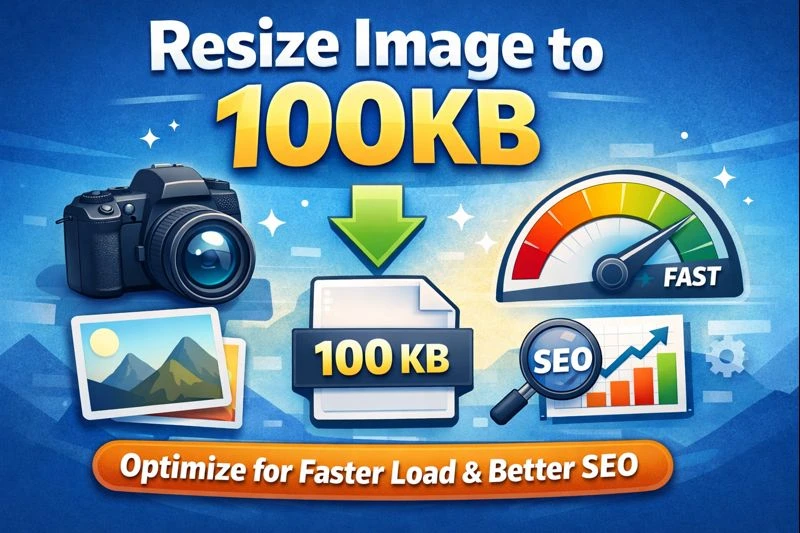
Images play a powerful role in digital content. They attract attention, improve engagement, and help explain ideas visually. However, unoptimized images can silently damage your website’s performance. One of the most effective optimization strategies is learning how to resize image to 100KB without sacrificing quality.
🔗 Resize Image to 100KB Instantly Using This Online Tool
It’s especially useful for bloggers, SEO professionals, and website owners who need quick and reliable image compression.
Why You Should Resize Image to 100KB
Large image files are one of the main reasons websites load slowly. Even a single oversized image can increase page load time, especially on mobile networks.
When you resize image to 100KB, you benefit from:
- Faster website loading speed
- Improved user experience
- Lower bounce rates
- Better mobile performance
- Higher search engine rankings
Google and other search engines prioritize speed. Smaller images mean faster pages, and faster pages mean better SEO.
Understanding Image Size vs Image Dimensions
Before resizing images, it’s important to understand the difference between file size and dimensions.
- Image dimensions refer to width and height (for example, 1920×1080 pixels).
- Image file size refers to how much storage the image takes (for example, 100KB).
You can reduce file size without drastically changing dimensions by using compression, smart formats, and quality adjustments.
Best Image Formats to Resize Image to 100KB
Choosing the right format makes resizing easier and more effective.
JPEG (JPG)
- Ideal for photos and realistic images
- Adjustable compression levels
- Easy to resize image to 100KB
PNG
- Best for logos and graphics with transparency
- Larger file size than JPG
- Harder to compress below 100KB
WebP
- Modern image format
- Smaller size with excellent quality
- Perfect for SEO and performance
If your website supports WebP, it is often the best option.
How Image Size Affects Website Speed and SEO
Image optimization directly impacts key SEO metrics:
- Core Web Vitals
- Largest Contentful Paint (LCP)
- First Input Delay (FID)
When images are heavy, pages load slower. When you resize image to 100KB, browsers load content faster, leading to better user engagement and improved rankings.
Search engines notice these signals and reward optimized websites.
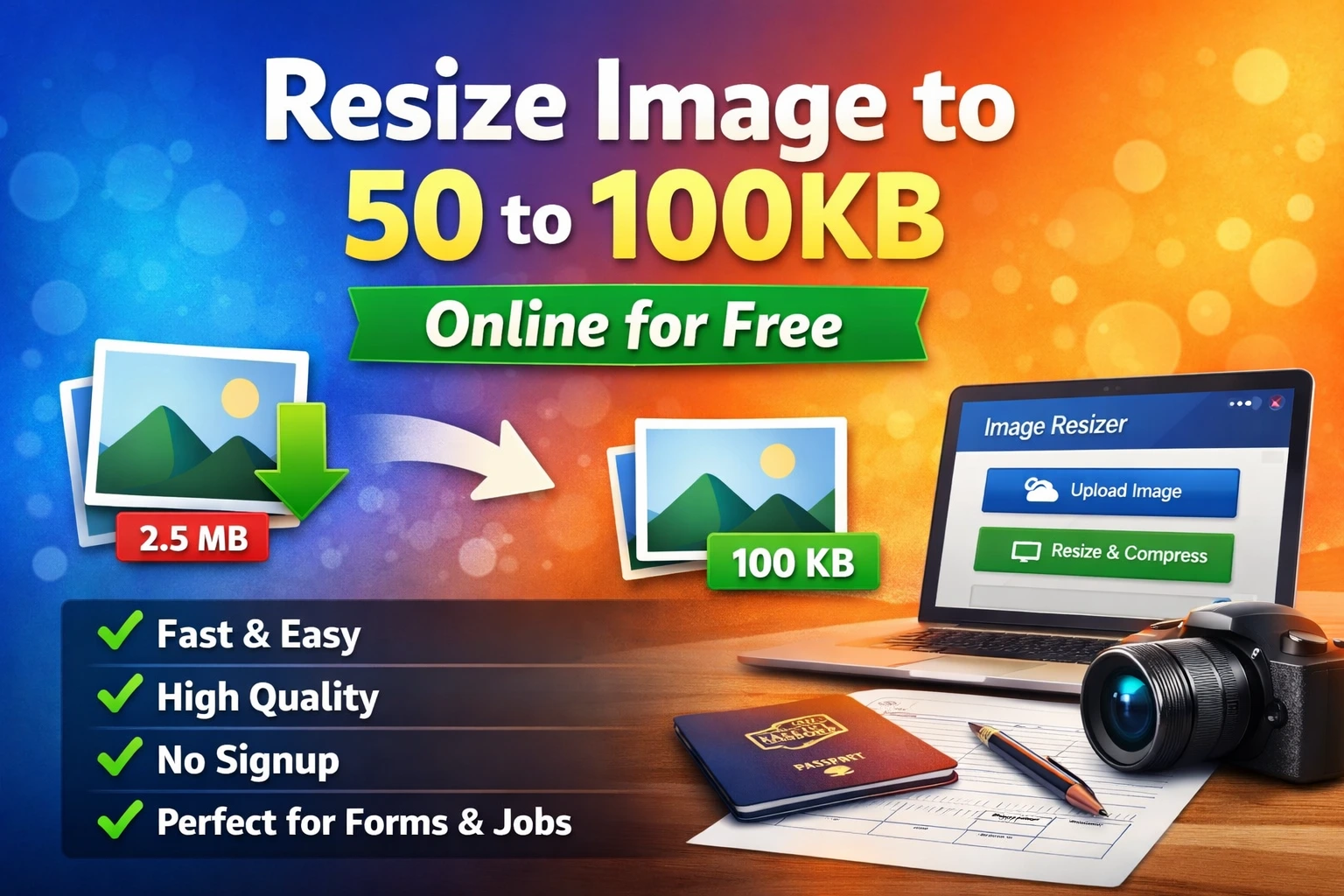
How to Resize Image to 100KB Online (Easy Method)
Online tools are the most convenient way to resize images, especially if you don’t use design software.
Steps to Follow:
- Upload your image
- Select target file size (100KB)
- Adjust quality or dimensions if required
- Download the optimized image
Online tools automatically balance compression and quality, making them ideal for beginners.
Resize Image to 100KB Using Desktop Software
If you work with images frequently, desktop tools provide greater control.
Photoshop Method:
- Open your image
- Click File > Export > Save for Web
- Choose JPEG or WebP
- Adjust quality until file size is near 100KB
- Save and test the image
Free Software Options:
- GIMP
- IrfanView
- Paint.NET
These tools allow manual resizing, compression, and preview before saving.
How to Resize Image to 100KB Without Losing Quality
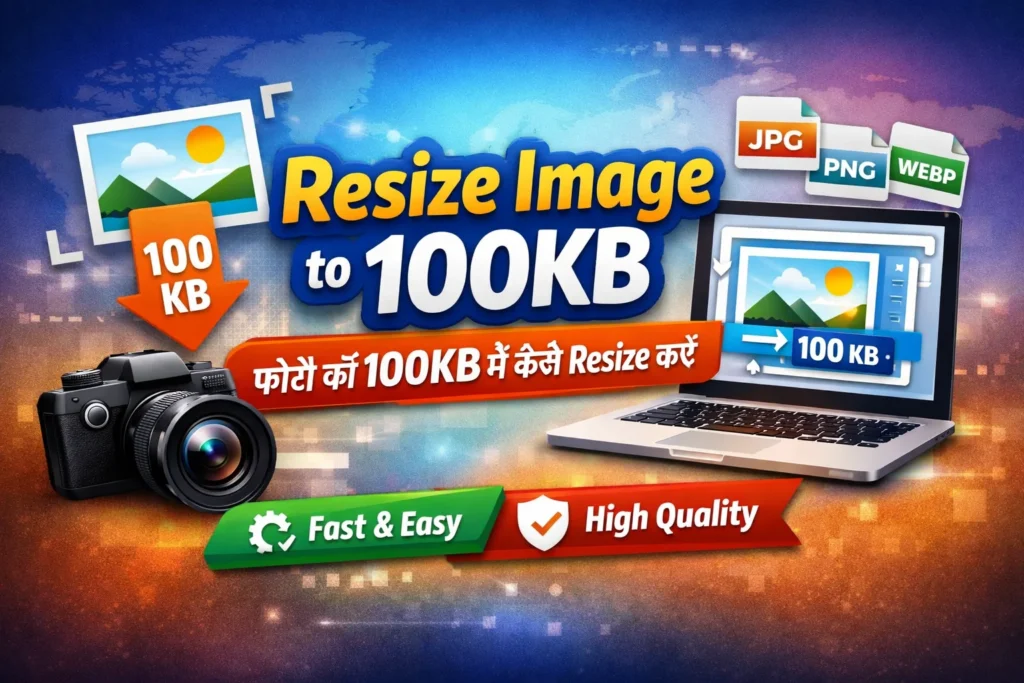
Many people worry that compression will ruin image clarity. The good news is that quality loss can be minimal if done correctly.
Best Practices:
- Reduce dimensions only if necessary
- Avoid maximum compression levels
- Use WebP format when possible
- Remove unnecessary metadata
- Preview images before final use
Small adjustments can drastically reduce file size without visible damage.
Mobile Optimization: Why 100KB Matters More Than Ever
Mobile users now make up the majority of internet traffic. On slower mobile networks, large images can severely affect load time.
When you resize image to 100KB:
- Pages load faster on mobile
- Data usage is reduced
- User experience improves
- Mobile SEO scores increase
Google’s mobile-first indexing makes image optimization even more important.
Bulk Image Resizing to 100KB
If you manage a large website, resizing images one by one can be time-consuming.
Bulk resizing allows you to:
- Optimize multiple images at once
- Maintain consistent file sizes
- Save time and effort
Some online and offline tools support batch image compression, making large projects easier to manage.
Use Advanced Image Resizer Tool
For additional tools and resizing options, you can also explore this external resource:
👉 Resize Image to 100KB Online
This platform offers various image resizing and compression features that can complement your optimization workflow.
Common Mistakes When Resizing Images
Avoid these frequent errors:
- Over-compressing images
- Using PNG for large photos
- Uploading full-resolution images and resizing with CSS
- Ignoring alt text and SEO attributes
- Not testing images on different devices
Proper resizing is about balance, not extremes.
SEO Tips After You Resize Image to 100KB
Image optimization doesn’t stop at file size.
Additional SEO Tips:
- Use descriptive file names
- Add keyword-rich alt text
- Use lazy loading
- Serve images via CDN
- Choose the correct format
Combining these strategies with resizing gives maximum SEO impact.
Who Should Resize Image to 100KB?
This practice is essential for:
- Bloggers
- Website owners
- eCommerce stores
- Digital marketers
- Developers
- Designers
Anyone publishing images online benefits from proper image compression.
Final Thoughts
Learning how to resize image to 100KB is one of the simplest yet most effective ways to improve website performance. It boosts loading speed, enhances user experience, and strengthens SEO rankings without requiring advanced technical skills.
By using reliable online tools, selecting the right image formats, and following best practices, you can keep your images lightweight and visually appealing.
Start resizing your images today, and you’ll notice faster pages, happier visitors, and better search engine visibility.